

Rachel Parodneck & Associates PsychotherapyVirtual Therapy Across New York State
Women's Mental Health Therapy in NYC
Fertility and postpartum. Caring for a parent while raising a child. Being the one everyone relies on and no longer knowing what you want. Our women psychotherapists work across the whole arc of it, virtually, anywhere in New York State.

What We Help With
Not one topic - a set of pressures that arrive at different stages, often several at once.
Perinatal & Reproductive Mental Health
Trying to conceive, fertility treatment, pregnancy, loss, a birth that did not go to plan, and the postpartum months. A defined specialty here: the practice was founded by Rachel Parodneck, LCSW, CGP, whose own focus includes infertility and reproductive mental health, and several of our clinicians carry perinatal, motherhood and reproductive trauma specialties.
Unwanted, distressing intrusive thoughts can occur during the postpartum period and do not, by themselves, mean that you want to act on them. They are far more common than new parents are told, and they respond well to treatment.*
*If you ever feel you may act on these thoughts, same-day medical care is available: call 911 or call/text 988.

The Identity Shifts Nobody Names
Matrescence describes becoming a mother as its own developmental transition - one that can reshape your identity, relationships, priorities, and sense of self. It explains why you can love your child completely and still grieve who you were.
The same goes for the other thresholds women cross quietly - perimenopause, the end of a long relationship, a career change at forty, children leaving, deciding not to have them at all. Naming a transition changes it from a personal failure to adjust into a stage that deserves support.

Mother-Daughter Relationships & Caregiving
Two of the most common reasons women reach out, and two of the least discussed.

The mother-daughter relationship
Enmeshment, criticism that still lands at thirty-five, a role reversal that started too early, or grief for a mother you have lost or never quite had. A place to look at it honestly, without being asked to forgive on schedule or cut anyone off.
Caregiving, in both directions
The sandwich years, when a parent's health and a child's needs land in the same week and the person absorbing both is you. The logistics, the guilt, the resentment you are not supposed to feel, and the grief running alongside.
Career and caretaking
Ambition, childcare, aging parents, a partner's schedule, and your own health at the bottom of the list. Not a time-management problem - a question about what you want, and what it costs you not to say so.
People Pleasing, Over-Functioning & Burnout
Saying yes before you have checked with yourself. Being the reliable one, the easy one, and quietly running out of room. People pleasing is usually an adaptation rather than a trait - where a parent's mood set the weather, reading the room was intelligent. For some women, this pattern develops as a way of staying connected, avoiding conflict, or keeping the emotional environment around them stable. In trauma-informed work, this is sometimes understood as a 'fawn' response - which can help explain why saying no may bring up anxiety, guilt, or even a physical stress response.
It is also the most direct route to burnout we see: if your capacity is set by everyone else's requests, the only variable left to cut is you. Many clients arrive describing burnout or anxiety and overthinking and find this underneath both.

Self-Esteem & Body Image
Self-esteem work is not affirmations. It is untangling worth from output - the belief that you are valuable because of what you produce, hold together, or look like, which is why high-achieving women so often have the least of it.
Body image runs alongside it and changes shape through life: after pregnancy, through perimenopause, after illness. We work on the relationship with your body rather than the body itself, including the part where criticizing yourself started to feel like motivation. Where restriction, purging or bingeing are in the picture, we will say so directly and connect you with an eating-disorder specialist.
Whole-Person Care, and Knowing Our Limits
Mental health doesn't exist separately from physical health. Hormonal changes, thyroid conditions, sleep, nutrition, chronic pain and pelvic-health concerns can all intersect with emotional wellbeing. We ask about it, and we work alongside your OB-GYN, midwife, reproductive endocrinologist or primary care doctor rather than in isolation - with a referral network of prescribers, lactation consultants, pelvic-floor physical therapists, dietitians and eating-disorder specialists.
To be clear: we are psychotherapists, not medical or nutritional providers. We do not diagnose hormonal conditions, order testing, prescribe, or give nutritional advice. Where that is what would help, we say so and refer you to a trusted specialist, then keep supporting the psychological side while they handle the medical one.
Women Therapists Who Get It
Most people looking for this work want a female therapist, and most of our clinicians are women - practicing across perinatal and reproductive health, trauma, anxiety, ADHD in women, motherhood, relationships and life transitions.
You are not handed to whoever has an opening. Tell us what you are carrying and we will match you.
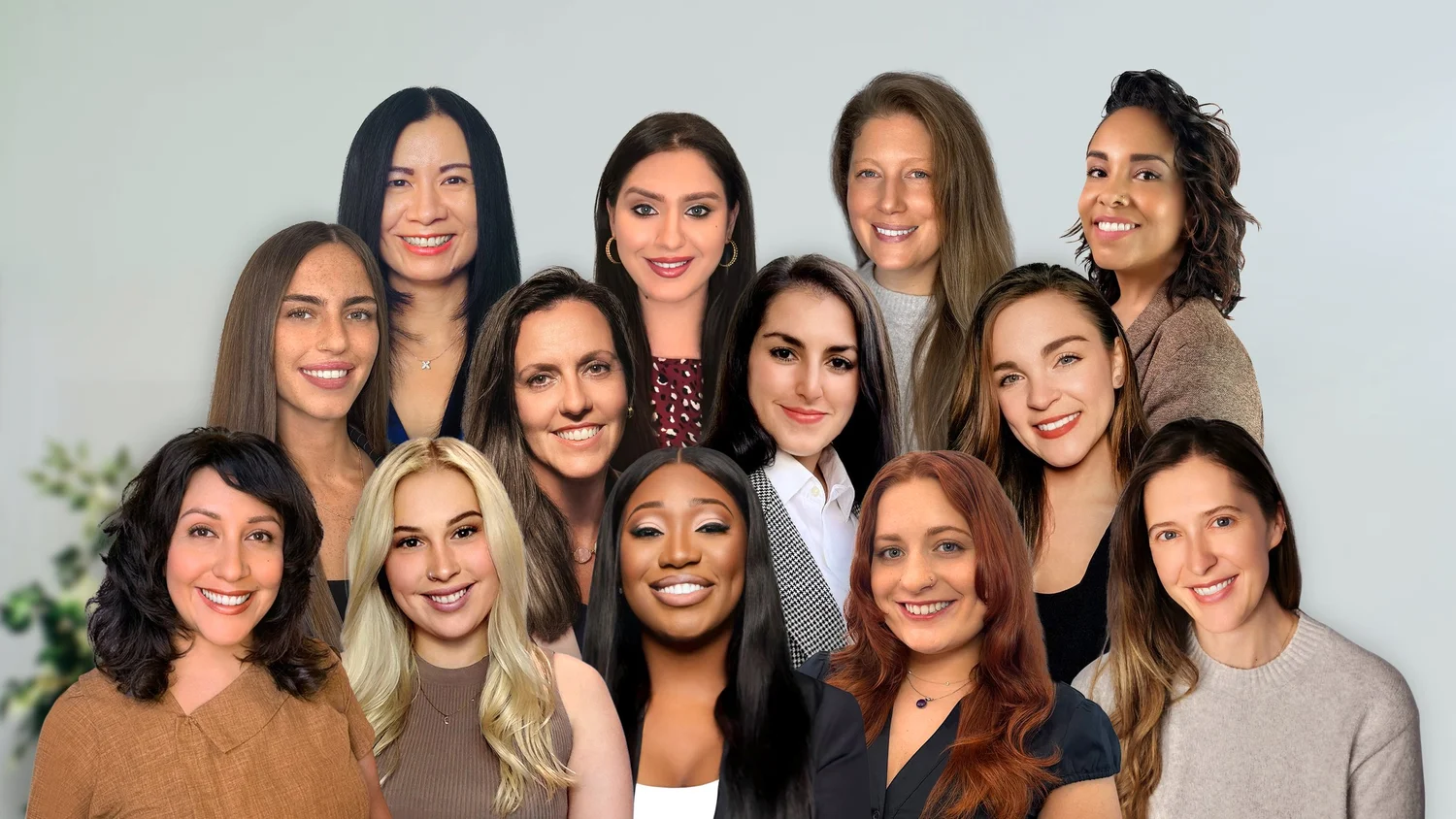
Therapists for Women's Mental Health
Each of these therapists is currently accepting new clients.

Mushda Afghanzada, LMSW
Supports women with the emotional side of PCOS, endometriosis, and chronic health concerns, including the experience of feeling dismissed by healthcare providers. Sessions in English and Dari.
Meet Mushda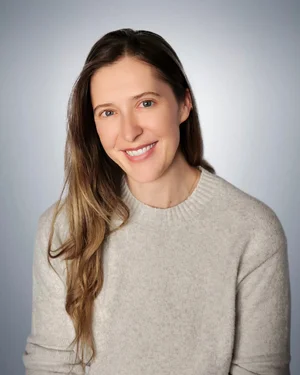
Chelsea Bonosky, LMSW
Works with women and moms, birthing and non-birthing, on sexual and reproductive trauma, IVF and fertility experiences, and the changes motherhood brings, with mindfulness and somatic care.
Meet Chelsea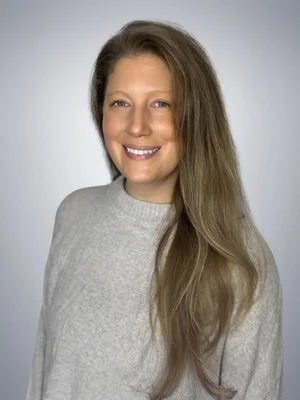
Heather Chandler, LMSW
Works with women through pregnancy, postpartum, and motherhood, from perinatal overwhelm to the identity and career shifts that can follow, with warmth and practical tools. Morning availability.
Meet Heather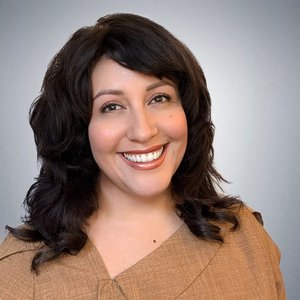
Jenna Martinez, LMSW
Works with women of all identities on grief, trauma, and addiction recovery, with a particular welcome for LGBTQIA+ and BIPOC clients and performers. Afternoon, evening, and Saturday availability.
Meet JennaIn-Network with Aetna & Northwell Direct
We are in-network with Aetna and Northwell Direct, we provide monthly superbills for out-of-network reimbursement, and we keep a limited number of sliding-scale spots. Sessions are virtual across New York State - from home during a nap, between appointments, or on a day when leaving the house is its own project.
How to Start
Book a free consult
Fifteen minutes, no forms, no commitment.
Get matched
Tell us what is going on and we will match you to the right psychotherapist and rate.
Begin therapy
Virtually, anywhere in New York State, at a pace your life can hold.
Frequently Asked Questions
Can I request a female therapist?
What counts as women's mental health?
Do you help with hormonal issues like perimenopause or PMDD?
Is this only for mothers?
Do you offer women's therapy groups?
Do you take insurance?
You Have Held It Together for Everyone Else
Book a free 15-minute consult - at your pace, without judgment.