

You can love your mother, feel grateful for everything she did, and still notice that some part of you is always bracing. Bracing for disapproval. Bracing to manage someone else's mood. Bracing to be "easy" so nobody gets upset. If that sounds familiar, you may have come across the term the mother wound, and wondered whether it describes you.
I'm Heather Chandler, LMSW, a psychotherapist at Rachel Parodneck & Associates. Much of my work is with women navigating motherhood, identity and the relationships that shaped them early on, and the mother wound comes up in my sessions more often than you might expect. In this article, I'll walk through what the mother wound means, where it can come from, how it tends to show up in adult life, and what healing can look like.

What Is a Mother Wound?
The mother wound is a way of describing emotional patterns that can develop when a child's emotional needs were not consistently met in their relationship with their mother or primary caregiver. It is not a clinical diagnosis, and you will not find it in the DSM. Think of it as a useful shorthand: a name for the relational patterns some people carry from childhood into adulthood.
That matters, because the mother wound meaning is less about labeling you and more about making sense of you. Many people who relate to the term had mothers who loved them, worked hard, and did their best with what they had. The wound is not necessarily about what was done to you. Often it is about what was missing: comfort when you were upset, curiosity about your feelings, room to be a whole person rather than a helper.
Where the Mother Wound Comes From
In my experience, there is rarely one cause. The mother wound can grow out of many different family situations, including:
A mother who was overwhelmed, depressed, grieving or struggling with her own mental health
An emotionally immature mother, or emotionally immature parents more broadly, who had trouble tolerating big feelings - theirs or yours
Childhood emotional neglect, where physical needs were met but emotional ones were not noticed or named
Parentification - a child carrying their parent's emotions, or acting as their confidant or caretaker
Love that felt conditional on grades, appearance, behavior or being "the good one"
A mother who was carrying her own unhealed history from her own mother
That last point is important. Many mothers parent the way they were parented, especially when no one helped them process what they went through. Seeing the mother wound as something that can pass between generations does not excuse harm. It does make room for understanding instead of blame.
Attachment research offers another lens. Our earliest relationships can shape how safe we feel getting close to people, asking for help, and trusting that we will be cared for. If closeness felt unpredictable growing up, it makes sense that closeness might feel complicated now.
Mother Wound Symptoms: Signs It May Be Showing Up in Your Life
Because it is not a diagnosis, there is no checklist that confirms a mother wound. But many people recognize themselves in some of these patterns:
People-pleasing, and feeling uneasy when someone is unhappy with you
Guilt around setting boundaries, even small ones
Not knowing your own needs, or feeling selfish for having them
Feeling responsible for others' emotions, and quick to smooth things over
A harsh inner critic that sounds a lot like the criticism you heard growing up
Difficulty calming yourself down when you are upset
A strong need for reassurance, or the opposite: a habit of never asking for anything
Overfunctioning - being the capable one everyone leans on, while no one checks on you
I see this often in my clinical work. Our relationships with our mothers growing up can influence how we view ourselves and navigate relationships as adults. Sometimes, we carry certain expectations or patterns from childhood without even realizing it, such as seeking approval from others, difficulty expressing our needs, or feeling responsible for other people's emotions.
If some of these feel familiar, you might also relate to our article on self-abandonment, which looks at the habit of setting your own needs aside to keep the peace.
The Mother Wound and Romantic Relationships
For many adults, the mother wound and romantic relationships are closely tied. Patterns learned early can show up in who we are drawn to and how we behave once we are close to someone. You might find yourself working hard to earn love, feeling anxious when a partner pulls away, or choosing partners whose approval feels just out of reach. Some people describe it as a different face, but the same feeling.
None of this means a relationship is doomed, or that you are "too much." It can mean that old fears are getting activated in new places. If this is where the mother wound shows up most for you, our relationship anxiety therapy page explains how therapy can help with that specific pattern.
The Mother Wound in Women and Daughters (and Sons Too)
Most writing on the topic focuses on the mother wound in daughters, and for good reason. The mother daughter relationship can carry extra layers: expectations about how women should behave, comparisons, and the sense that you are supposed to be close. Many women describe the mother wound in women as a mix of deep loyalty and a resentment they feel guilty for having.
The idea of eldest daughter syndrome, another informal term, overlaps here. Oldest daughters are often handed adult responsibilities early, and some grow into adults who feel responsible for everyone's wellbeing but their own.
Sons can carry a mother wound too. It may look different on the surface, such as difficulty with emotional closeness or a strong pull toward independence, but the core experience of unmet emotional needs is the same.
Why It Can Surface When You Become a Mother
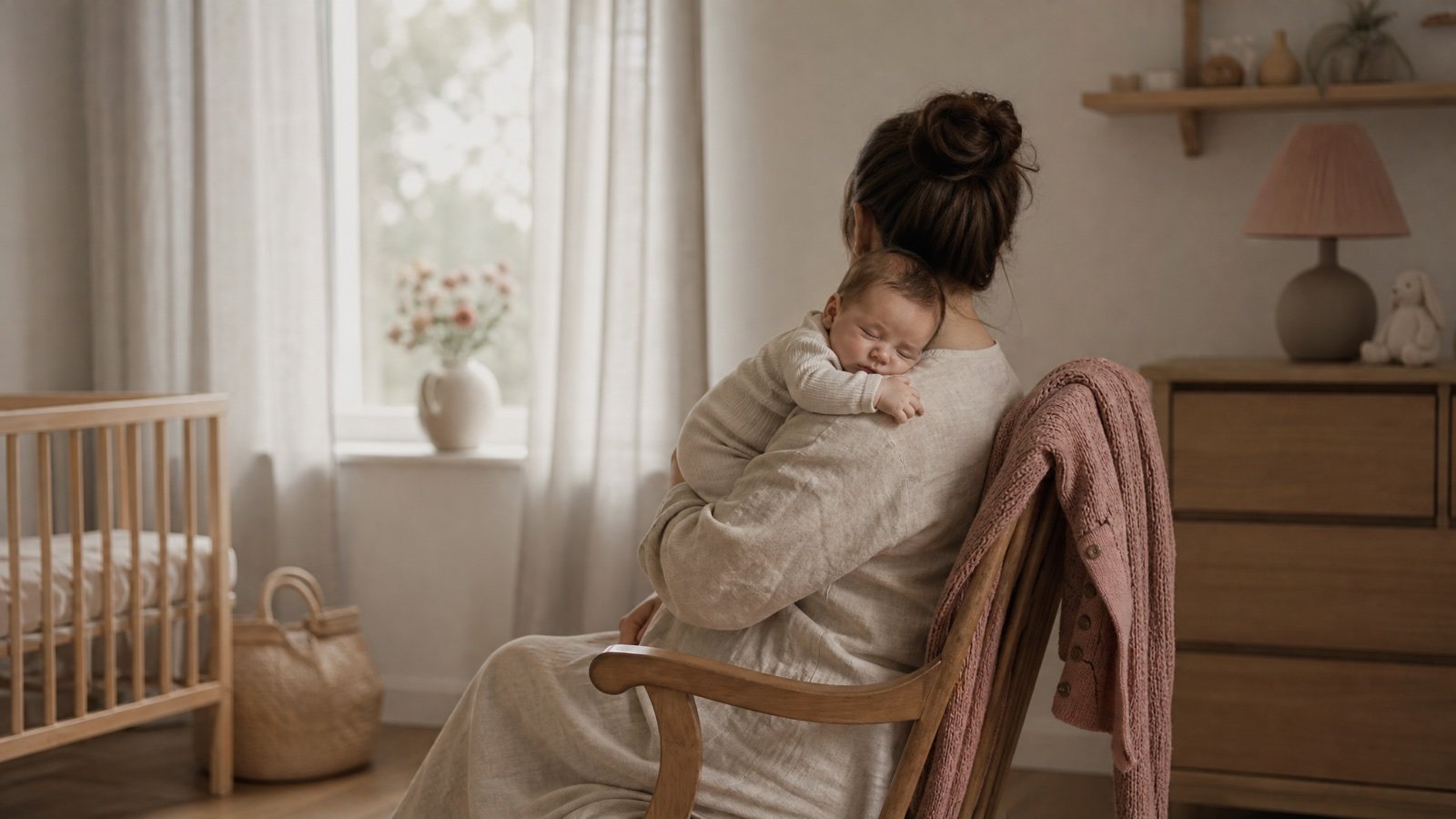
Pregnancy and early motherhood are a common time for these patterns to come to the surface, even for women who felt they had "dealt with" their childhood long ago. Caring for a baby can bring back memories of how you were cared for. You may notice strong feelings about your own mother, sometimes all at once: closeness, anger, grief, longing for her support, or a fierce wish to do things differently.
I see this with many of the new and expecting mothers I work with. Becoming a mother can bring these experiences to the surface, as women begin to reflect on their own upbringing and the kind of relationship they want to build with their children.
This does not mean something is wrong with you as a parent. For many women, it is part of matrescence, the developmental transition of becoming a mother. If you are pregnant, trying to conceive or adjusting to life with a new baby, our women's mental health therapy page covers how we support women through these seasons.
Love and Unmet Needs Can Both Be True
One of the most common misconceptions is that naming the mother wound means blaming your mother. It doesn't. You can recognize the love and care you received and still see emotional needs that went unmet. Both can be true at the same time.
If there is one thing I wish more people understood, it's that healing isn't about placing blame, but about better understanding how our early relationships with our mothers have shaped us. Sometimes, we develop certain behaviors or patterns growing up as a way to protect ourselves, but those same patterns may no longer serve us as adults.
Another misconception: that healing requires a big confrontation, an apology, or a closer relationship with your mother. Healing the mother wound and repairing the relationship are two different things. Some people find more closeness with their mother along the way. Others find they need more distance. Some forgive, some don't, and many land somewhere in between. Your healing doesn't depend on her participation.
How to Heal the Mother Wound
There is no single path, and healing tends to happen gradually rather than all at once. A few practices my clients often find helpful:
Notice the pattern without judging it. When you feel the pull to people-please or apologize, get curious about where that reaction may have come from.
Let yourself grieve what you didn't get. Grieving unmet needs can be painful, and it often makes room for something new.
Practice self-compassion. Try speaking to yourself the way you would speak to a child you love.
Explore inner child healing. Some people find it helpful to imagine the younger version of themselves and ask what she needed.
Write it down. Journaling about memories, feelings and patterns can help you see connections you might miss in your head.
Practice small boundaries. Starting with low-stakes situations can help you learn that people can handle hearing "no."
For me, healing is about recognizing where these patterns come from, giving ourselves grace, and learning to make choices that feel right for us rather than always trying to meet others' expectations.
How Therapy Can Help
Reading about the mother wound can bring up a lot. Working through it with a psychotherapist can give you a steady place to sort through memories and feelings at your own pace, without having to hold it all together alone.
In therapy, we can work out together whether what you are feeling is mostly about old patterns, current relationship stress, anxiety, a major life change like becoming a parent, or some combination. In my sessions, I draw on an IFS-informed approach, which looks at the different "parts" of us - like the part that keeps the peace or the part that feels it has to earn love - with curiosity rather than criticism. Rather than fighting those parts, therapy can help you understand what they have been protecting you from, and what they might need now. If the mother wound is tied to painful experiences you are still carrying, our trauma therapy page explains how our practice approaches that work.
You can learn more about how I work on my profile, or book a free 15-minute consult and our team will help you find the right fit. Sessions are virtual across New York State, and we are in-network with Aetna and Northwell Direct.
Frequently Asked Questions
Is the mother wound a real diagnosis?
No. The mother wound is not a clinical diagnosis. It is an informal way of describing emotional and relational patterns that can develop when emotional needs went unmet in childhood. A therapist can help you understand what you are experiencing without needing a label.
What are the signs of a mother wound?
Common signs include people-pleasing, guilt about setting boundaries, not knowing your own needs, feeling responsible for others' emotions, a harsh inner critic, and anxiety in close relationships. Everyone's experience is different, and having some of these does not mean something is wrong with you.
Can you heal the mother wound without talking to your mother?
Yes. Healing is about understanding your patterns and meeting your own needs. It does not require a conversation, an apology or reconciliation. Some people choose to have those conversations, and some don't.
Can becoming a mother bring up the mother wound?
It can. Pregnancy and early motherhood often lead women to reflect on how they were raised and what kind of relationship they want with their own children, which can bring old feelings to the surface. This is common and understandable, and support can help.
You don't have to choose between loving your mother and taking your own needs seriously. Healing starts when you give yourself permission to do both.
Heather Chandler, LMSW, is a psychotherapist at Rachel Parodneck & Associates Psychotherapy, working with women around anxiety, burnout, life transitions, fertility, pregnancy and motherhood.